 Zoneding Mining

Site Search
Search products, equipment and solution articles
整站搜索产品中心新闻中心
点击开始搜索
热门搜索
UltraForm-MXFlexiPoly-RNanoForm Z300EcoFab P200
Search products, equipment and solution articles
Roller crusher is also known as roll crusher, which relies on the high-speed rotation of roll wheel to crush materials. The commonly used roll crusher types include double roller crusher, toothed roller crusher, four roller crusher, etc.
Roll crusher, as one of the most economical and practical crushers, is designed to handle the first and second crushing of friable minerals and stones such as coal, clay, coal gangue, limestone, slag, cement clinkers, and shale, etc.
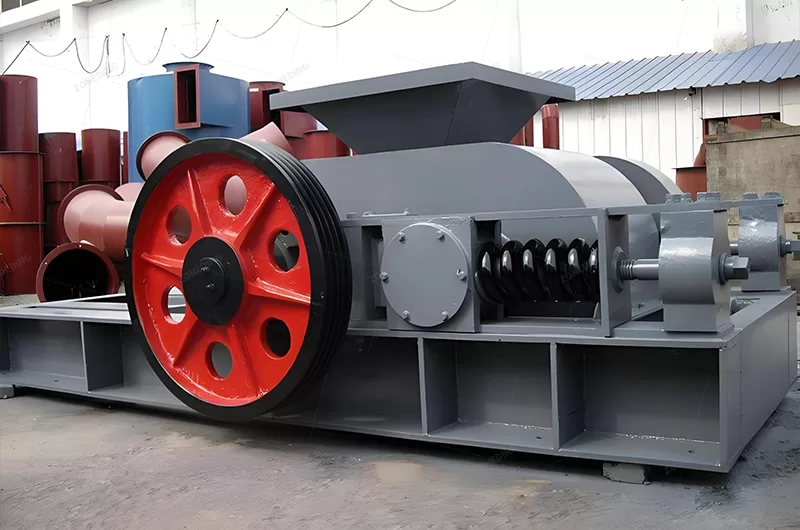
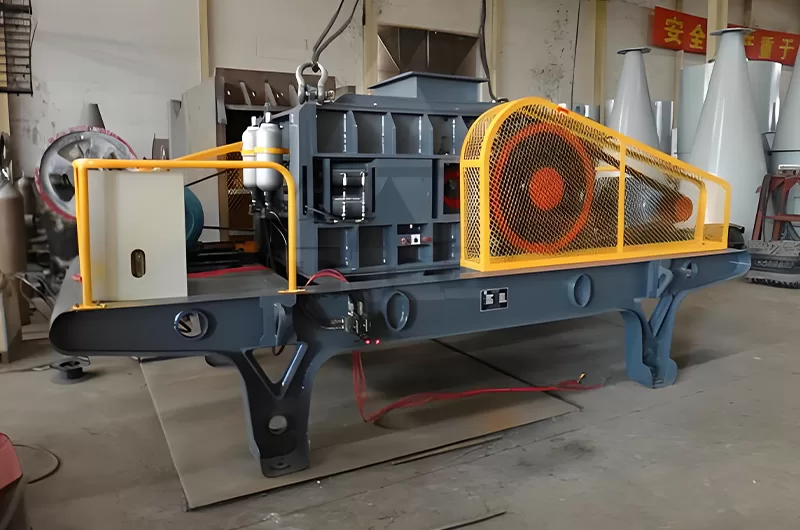
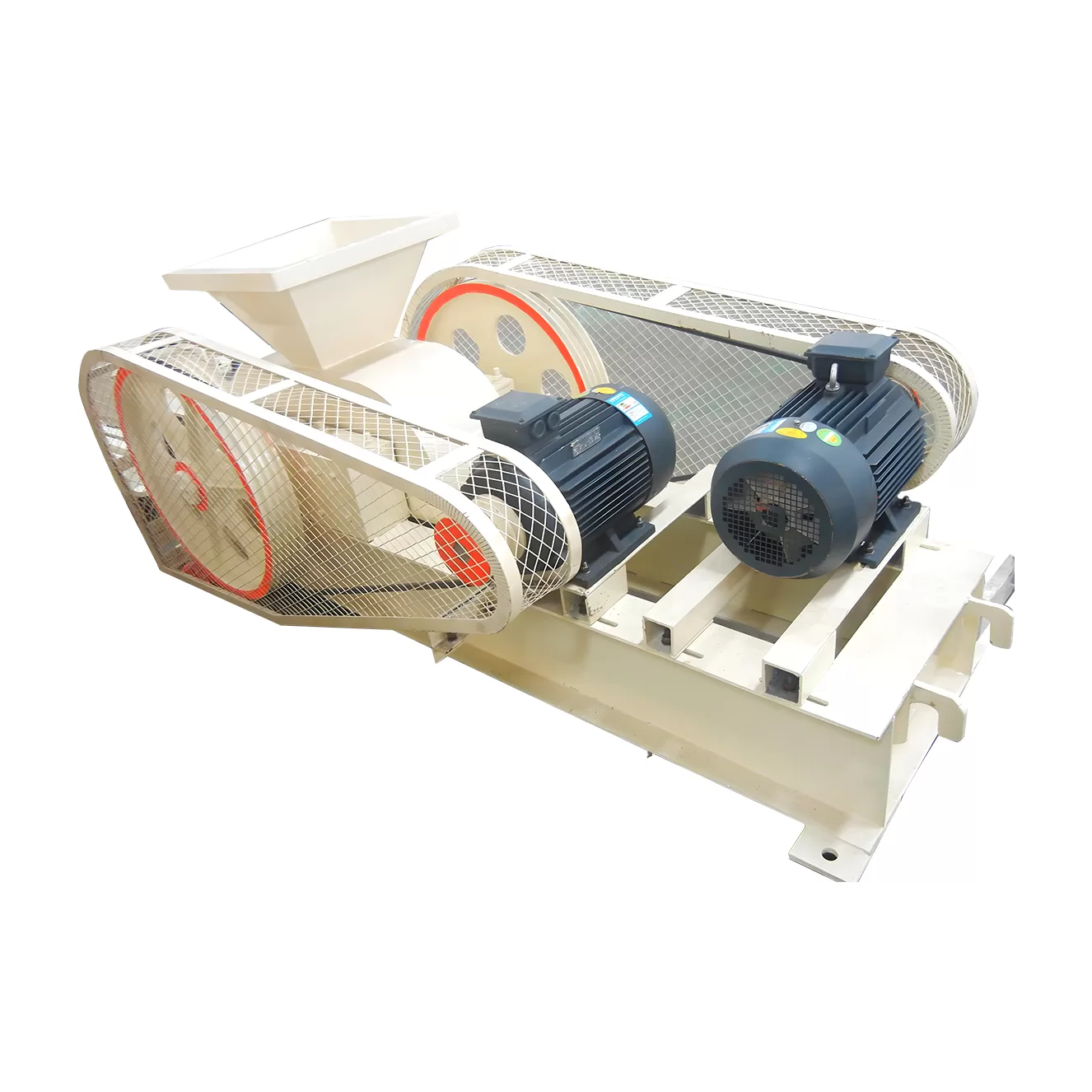
A Roll Crusher is a standard crushing machine that uses high compression to break rocks. Two heavy metal cylinders spin in opposite directions to crush the fed material.
Plant operators usually put this machine at the end of a crushing line. It works perfectly for secondary or tertiary crushing stages. The standard machine goes by the name 2PG Roll Crusher. Engineers designed it to handle materials with medium or low hardness. The design is very simple and easy to understand. You will find very few complex electronic parts inside.
The main purpose of this equipment is controlling the product shape and reducing dust. High-speed crushers shatter rocks into tiny dust particles. The dual cylinders only squeeze the rock once. The rock breaks into a neat shape and immediately drops out of the machine. This action makes it the ultimate low fines crusher. Plants that process glass, coal, or fertilizers rely entirely on this simple squeezing action to protect their product value. You protect your profit margins by creating less waste dust.
You can classify these machines based on the roller surface design. The two main types are the smooth roll crusher and the toothed roll crusher. Different materials require completely different gripping actions.
The smooth roll crusher acts exactly like its name suggests. The two steel cylinders have a completely flat and smooth surface. You use this type for fine crushing jobs. The smooth surface crushes materials like small limestone pebbles, glass, or dry clay down to just a few millimeters. The smooth surface applies equal pressure across the whole rock. You get a very uniform, small final product.
The toothed roll crusher uses sharp metal teeth on the cylinders. The teeth bite into the material and pull it down. You need this type for coarse crushing stages. The teeth easily grab large, slippery chunks of coal or wet dirt. Many mining operations use a massive version of this machine called an Aggregate Sizer. The sizer breaks large blocks of soft rock directly from the mine. You choose the toothed version when your raw material is large, wet, or very sticky. The teeth prevent the material from sliding around on top of the rollers.
You need this equipment when your buyer strictly limits the amount of dust in the final product. You also need it when your raw material is too wet for standard machines.
Think about the classic roll crusher vs cone crusher debate. A cone crusher works great for hard granite. But a cone crusher grinds the rocks together inside a deep chamber. This grinding action creates a huge amount of useless rock powder. The roller design only breaks the rock one time. The rock passes right through the gap. You save the rock from extra grinding. Your final pile contains exactly the size you want and almost zero powder.
Next, think about the weather. Rain completely ruins the performance of normal crushers. Wet mud sticks to the steel walls. The discharge holes plug up tightly. The production line stops immediately. This machine excels at crushing sticky materials. The two cylinders actively pull the wet mud through the machine. ZONEDING designs these models without any bottom screen. Wet materials simply fall straight down to the conveyor belt below. You keep your plant running even during heavy rain storms.
Many different industries rely on this simple squeezing mechanism. Power plants, cement factories, and brick makers use it every single day.
The power industry is the largest buyer. They use the roll crusher for coal. Coal is fragile and soft. High-speed hammer machines turn valuable coal into useless black dust. The rollers gently crack the coal lumps to the exact size the power plant boiler needs. This saves thousands of tons of coal per month. You get maximum burning efficiency from properly sized coal pieces.
Other important industries use this equipment daily.
Roll Crusher is suitable forRiver gravel, iron ore, limestone, basalt, quartz, granite and other medium or hard ores and rocks in metallurgy industry, cement industry, power department, construction, phosphate, refractory industry, etc.
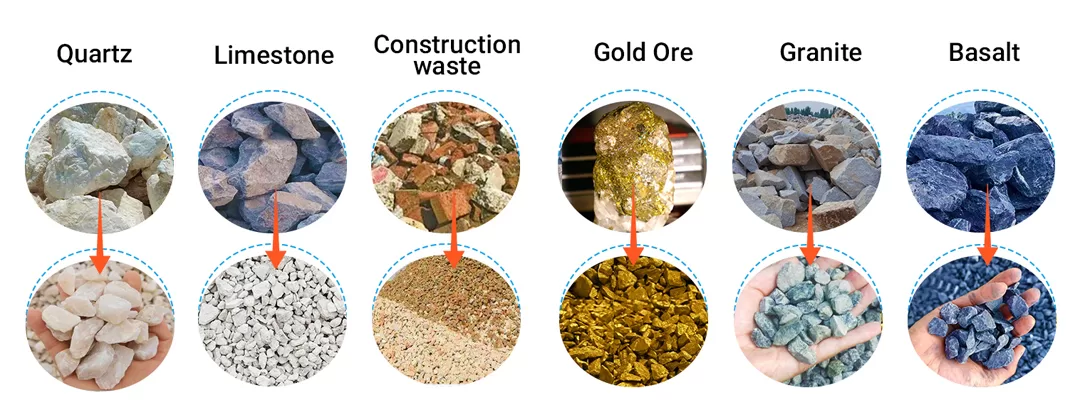
The counter-roller crusher pulls the material on the roller surface into the crushing cavity, so that the material is crushed by the stress mainly caused by squeezing, and is taken out of the crushing cavity by the rotating roller and discharged as the crushed product.
According to the surface of rolls, it can be divided into smooth roll crusher and toothed roll crusher. (The following roll crusher refers to “smooth roll crusher”.)
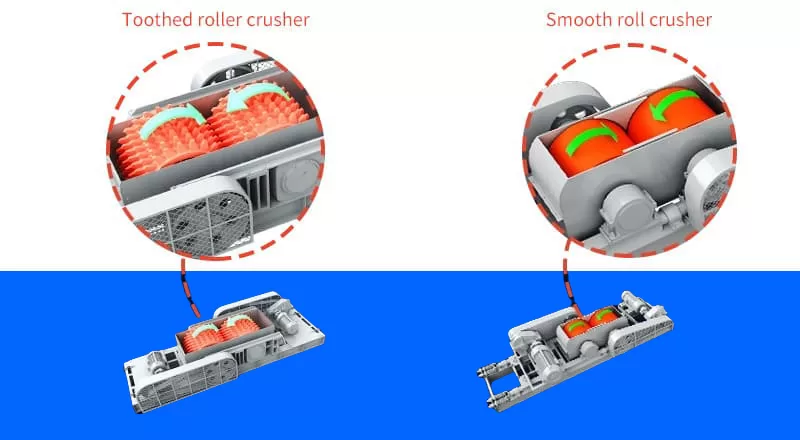
Our company produces 3 types of roll breakers: Roller crushers,Toothed rollers and hydraulic rollers.
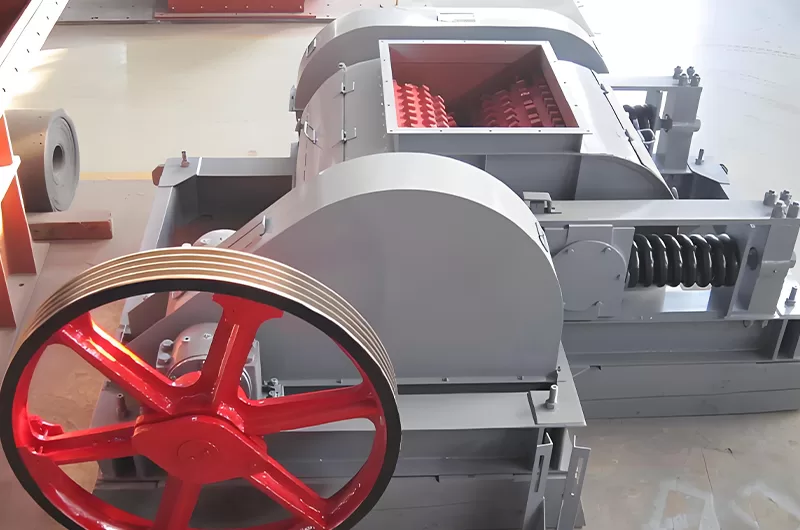
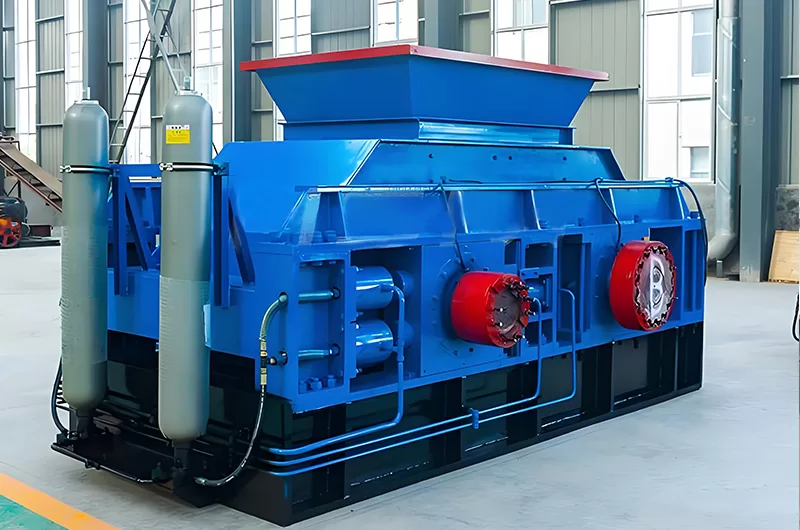
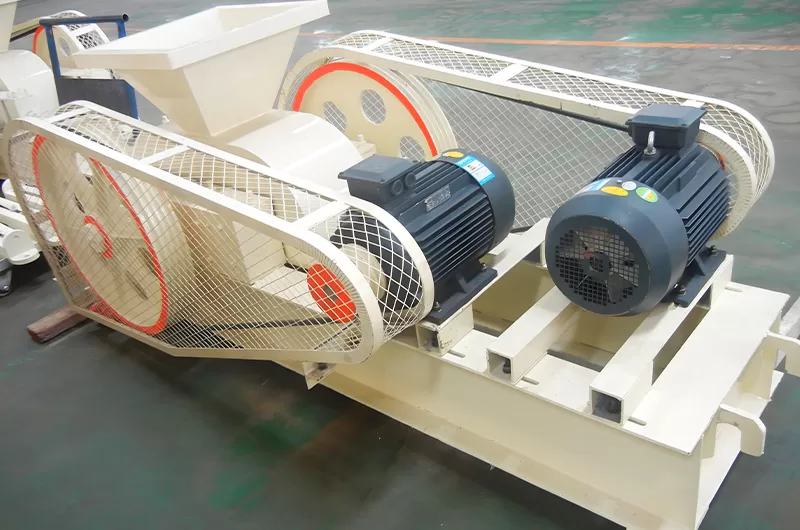
The main working parts of the roller crusher is the cylindrical rollers. The rollers are supported by the fixed and movable bearings, and they are relatively rotating which are driven by the motor. The materials are crushed by the friction of the rotating rollers, and the finished products are discharged from the gap of the rollers.
The spring is used to balance the pressure generated between the rolls. If there are non-crushed materials falling between the two rollers, the compression spring of bearings can be pushed to make a large gap so that non-crushed materials can be discharged immediately.
After the non-crushed materials are discharged, the spring can help recover the gap between the rollers to the original condition and the roll crusher continues to work.
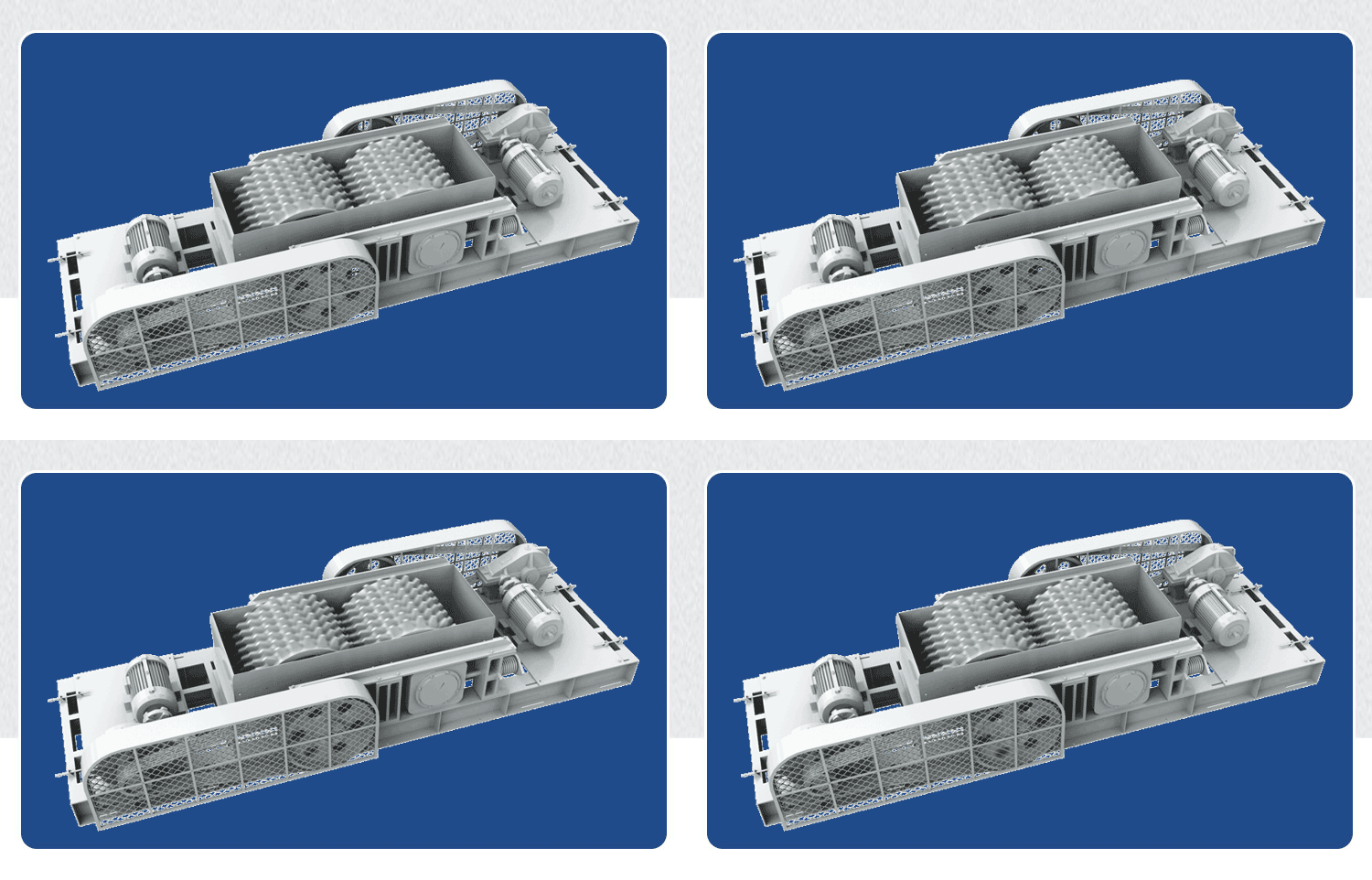
The machine holds very few moving parts. The simple design keeps your daily maintenance duties low.
You must understand five main sections of this roller crusher machine.
The process relies entirely on friction and pressure. The two cylinders form a V-shaped valley at the top.
You drop the raw rocks into the top opening. The two heavy cylinders spin continuously toward the center. The spinning surfaces grab the rough edges of the rock. Friction pulls the stone downward into the narrow gap between the cylinders. The gap is much smaller than the rock. The extreme pressure instantly cracks the stone into pieces.
The safety system prevents disastrous machine failures. Sometimes a steel hammer or metal bolt falls into the rock feed. Rollers cannot crush solid steel. When the uncrushable metal hits the rollers, the pressure pushes against the sliding cylinder. The heavy safety springs compress backwards. The gap suddenly opens wide. The metal piece drops safely through the bottom. The springs instantly push the cylinder back to its normal position. Your machine keeps working without any broken parts.
The price changes based on the drum diameter and the motor power. The simple design keeps the overall cost much lower than complex crushers.
You will spend very little money on a small factory setup. A small 2PG Roll Crusher for a local brick factory usually costs between $3,000 and $6,000. These machines process around 10 to 20 tons per hour. They are ideal for small clay or glass recycling businesses. You install them easily in one day.
Large industrial plants require bigger investments. A medium-sized limestone roll crusher costs between $10,000 and $25,000. These machines crush up to 100 tons per hour. Large power plants require massive customized units. A heavily armored Aggregate Sizer for a large coal mine can cost well over $50,000. The cost heavily depends on the steel alloy thickness and the brand of the electric motors. ZONEDING always offers direct factory prices to eliminate expensive middleman fees.
You must match the roller design to your raw material carefully. Doing this ensures the rocks actually enter the machine instead of jumping on top.
First, look at the size of your raw stones. The diameter of the rollers must be 20 times larger than the rock size for a smooth roller. If you feed 50mm rocks, you need a 1000mm diameter roller. If the roller is too small, the rock cannot find a grip. The smooth steel will just spin against the rock. The rock will jump around on top forever.
Next, check the material conditions. You must choose the toothed version if your rocks are muddy or covered in wet clay. Smooth rollers slip easily on wet mud. Toothed rollers stab the mud and drag it down by force. Always tell your equipment supplier about your moisture levels. You also need to confirm your required production capacity. Do not buy a machine that is completely maxed out on day one. Always buy a size that gives you 20% extra capacity.
A proper installation stops dangerous vibrations and extends the life of the machine bearings.
You must start with a solid concrete foundation. The machine generates strong horizontal forces when it crushes rocks. You must embed thick steel anchor bolts deep into the cement. Wait for the concrete to dry completely. Place the machine frame onto the bolts.
Leveling the frame is your most important task. Use precision tools to make sure the machine sits perfectly flat. If the machine tilts, the raw material will slide to one side. One side of the cylinders will wear out in a few weeks. After leveling, you focus on the drive system. Check the tightness of the V-belts. They must bend slightly when you push them, but they cannot feel loose. Finally, ask an electrician to connect the motors. Make absolutely sure the two cylinders rotate toward each other.
You change the output size of the rocks by moving the cylinders closer together or further apart. You must perform this roll crusher adjustment regularly.
The sliding cylinder rests against a stack of metal plates called shims. These shims sit between the cylinder bearing block and the main frame. You add more shims to push the cylinder closer to the center. This makes the rocks smaller. You remove shims to create a wider gap. This makes the rocks larger. The process is very simple but requires manual labor.
You must check the gap size every single week. The steel cylinders wear down slowly as they crush thousands of tons of stone. As the steel thins out, the gap naturally gets wider. Your final product will start to get too big. You must turn the machine off completely. Loosen the safety spring bolts. Add new shims to push the cylinder back to the correct gap size. Retighten the safety springs exactly to the manufacturer’s directions.
The build quality of the main frame determines how long the machine lasts. Our factory builds every single machine to withstand twenty years of heavy vibration.
ZONEDING uses a thicker steel plate for the base casing than most competitors. A heavy base stops the machine from shifting under high loads. We equip the 2PG Roll Crusher with high-end, heavy-duty roller bearings. Cheap bearings overheat quickly when crushing hard limestone. The premium bearings lower the operating temperature and save on electricity costs.
We also focus heavily on the crushing surface material. The outer shells of the cylinders use a custom high-manganese steel alloy. This specific alloy hardens itself on the outside as rocks smash against it. The inside of the shell stays slightly soft to absorb shock impacts. The dual-motor drive system provides extreme twisting power. The extra power ensures the rollers never stop turning, even when fed a sudden load of wet, sticky clay.
Simple machines still experience daily mechanical troubles. You must identify and fix these common problems quickly.
1. The material jumps on the rollers but does not go down.
This happens when you feed rocks that are way too big. The angle is wrong, and the rollers cannot bite the rock. You must install a protective screen above the machine to block oversized stones.
2. The final product becomes too large.
The rollers wear down over time. The gap gets wider every month. You must perform a standard roll crusher adjustment. Stop the machine and add metal shims to close the gap back to your target size.
3. The machine shakes violently.
An unbalanced gap usually causes bad vibrations. One side of the gap is wider than the other side. This forces the spring system to twist. You must measure the gap on the left side and the right side with a steel ruler. Adjust the shims until both sides match perfectly. Tighten the anchor bolts going into the concrete.
| Model | 2PG0425 | 2PG0640 | 2PG0740 | 2PG0850 | 2PG1060 | 2PG1260 | 2PG1560 |
| Roller Diameter(mm) | Ф400 | Ф600 | Ф700 | Ф800 | Ф1000 | Ф1200 | Ф1500 |
| Roller Width(mm) | 250 | 400 | 400 | 500 | 600 | 600 | 600 |
| Input Size(mm) | ≤25 | ≤25 | ≤25 | ≤25 | ≤30 | ≤30 | ≤30 |
| Discharging Gate(mm) | 2-8 | 2-8 | 2-8 | 2-8 | 2-10 | 2-10 | 2-10 |
| Processing Capacity(t/h) | 5-10 | 10-20 | 15-30 | 20-40 | 30-50 | 40-70 | 60-110 |
| Power Models | Y132M-6 | Y180L-6 | Y200L-4 | Y225M-4 | Y250M-4 | Y315M-6 | Y315L-6 |
| Motor Power(kw) | 5.5×2 | 15×2 | 30×2 | 45×2 | 55×2 | 75×2 | 110×2 |
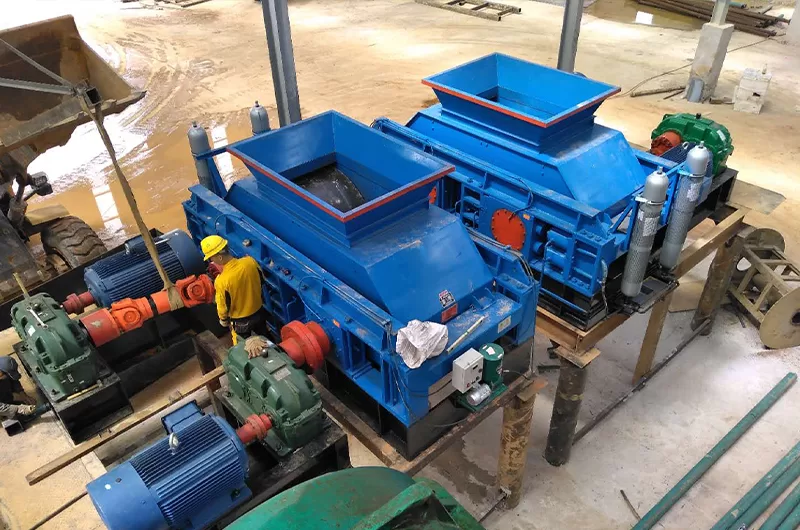
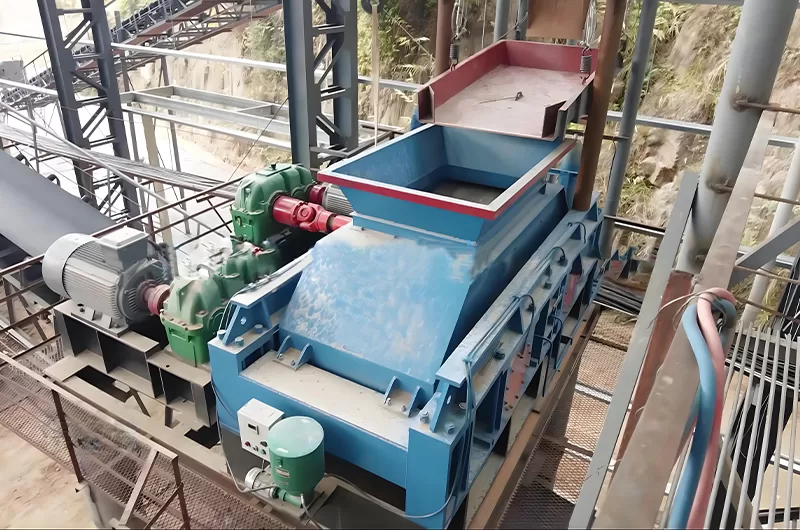
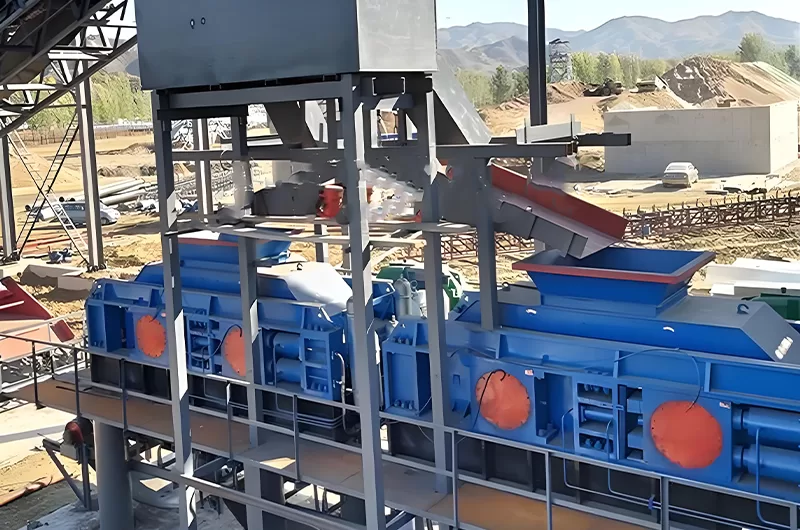
A roll crusher uses compression to crush materials between rotating rolls. Often used for soft to medium-hard materials like coal, limestone, and aggregates. Excellent for size reduction.
Roll crushers provide a consistent product size, generate minimal fines, and are relatively simple to operate and maintain. Achieve a uniform crushed product.
Feed size depends on the model, but typically roll crushers handle materials up to several inches in diameter, reducing them to smaller sizes. Ideal for secondary crushing applications.
Output size is adjusted by changing the gap between the rolls. Smaller gaps result in finer output. Control your crushing output by managing roll spacing.
Regular maintenance includes inspecting and replacing worn rolls, lubricating bearings, and checking the drive system. Prolong the life of your roll crusher with regular upkeep.